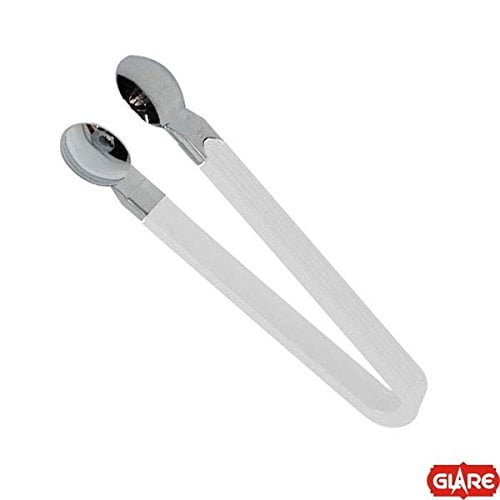
Ice tongs feature durable construction, scissor design, and clawed ends, ensuring secure grip, safe handling, and hygienic ice serving every time.
The origins of it trace back to the 19th century, when large blocks of ice were harvested from lakes and rivers and delivered to homes and businesses for refrigeration purposes. During this period, ice tongs were an essential tool for ice deliverymen, allowing them to handle heavy blocks efficiently and safely. Today, while the need for large ice blocks has diminished due to modern refrigeration, ice tongs remain prevalent in various forms.
In a domestic setting, ice tongs are typically smaller and used for handling ice cubes or crushed ice in drinks. These versions often feature elegant designs with decorative elements, making them suitable for use in formal dining settings or cocktail bars. The compact size and precise gripping mechanism of these tongs make them ideal for picking up individual ice cubes without the need to touch them directly, ensuring hygiene.
In hospitality, ice tongs are essential for hygienic and efficient ice handling, from bartending to large-scale food preservation.
Conclusion
They combine functionality with design, offering a practical solution for handling ice in various contexts. Their evolution from large, utilitarian tools to sleek, refined instruments reflects their enduring relevance and adaptability in both everyday life and specialized industries.