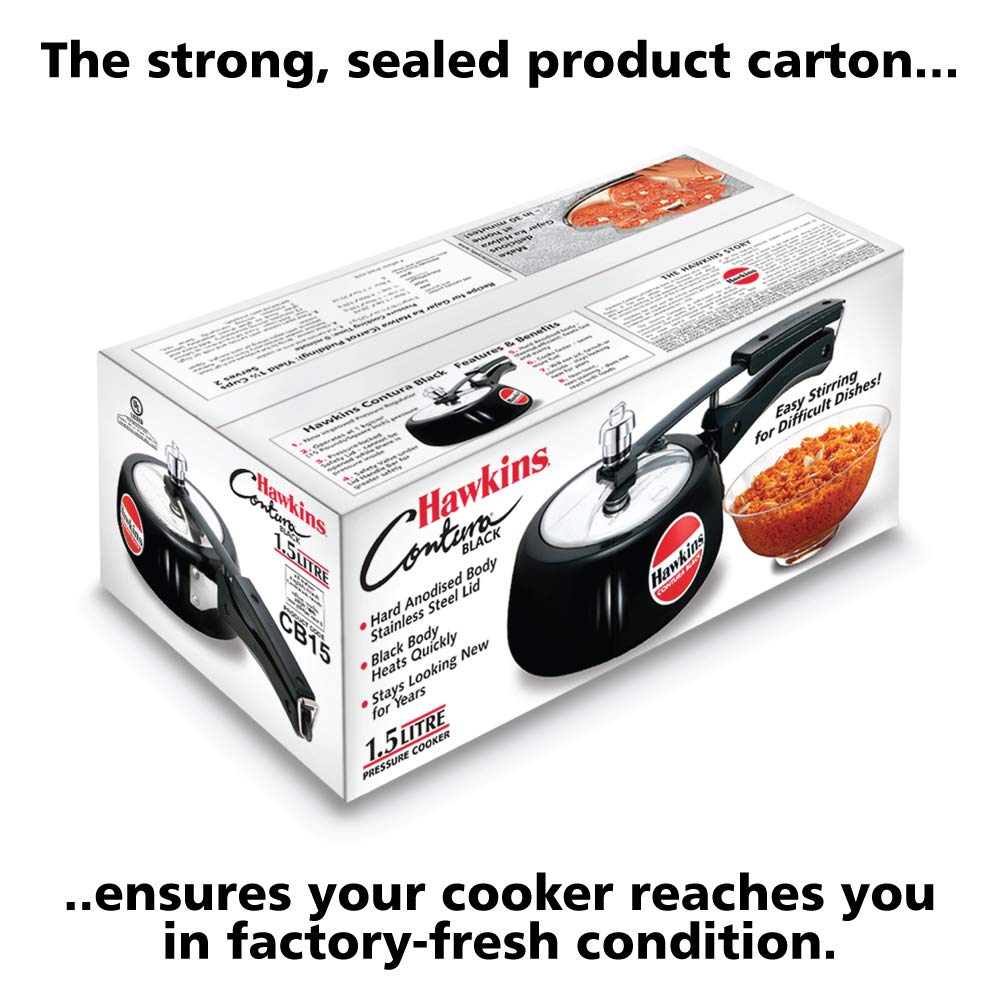
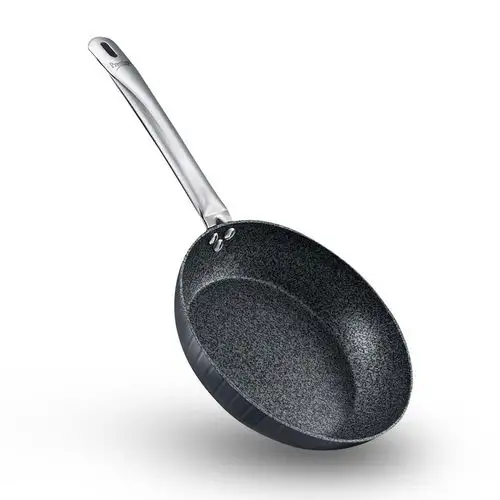
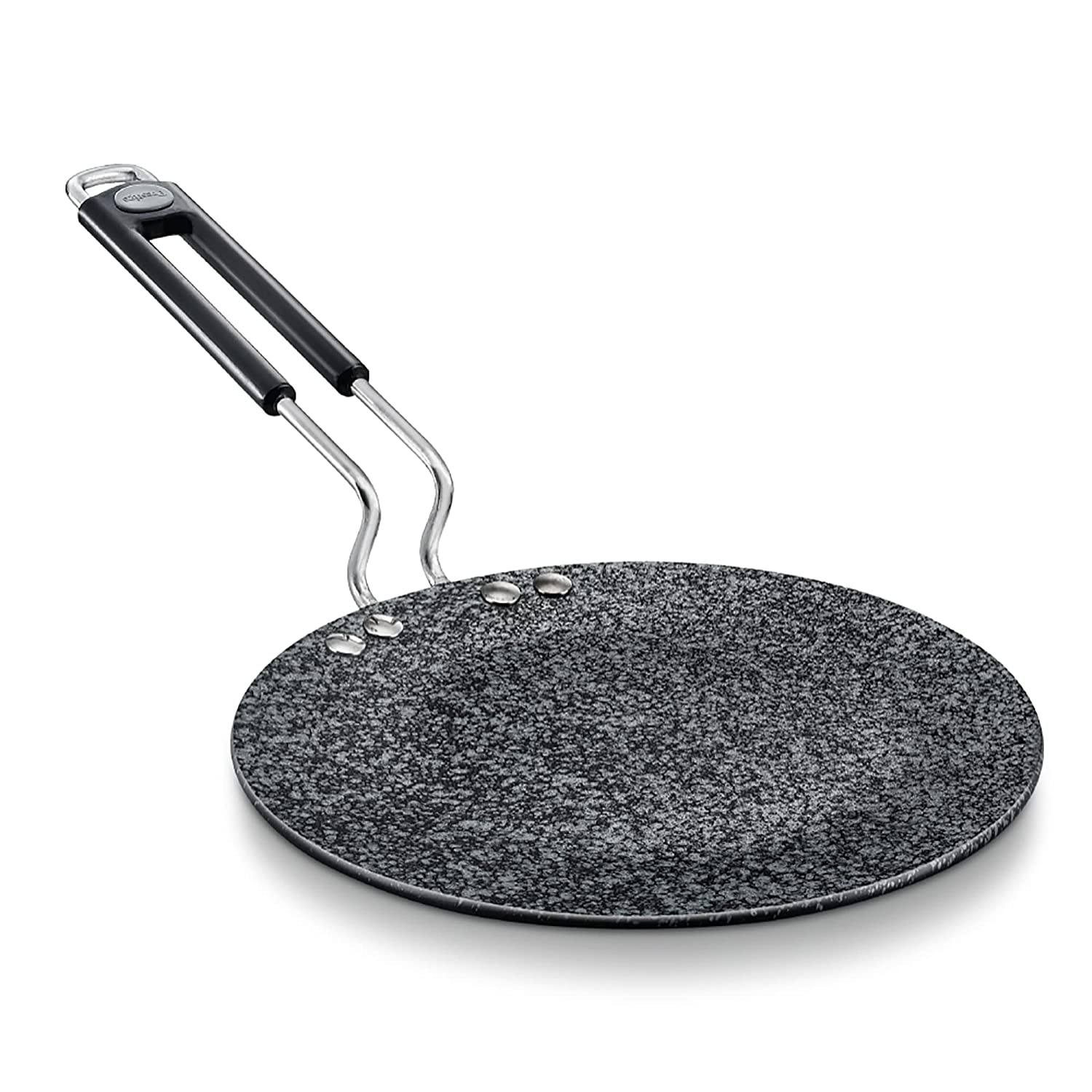
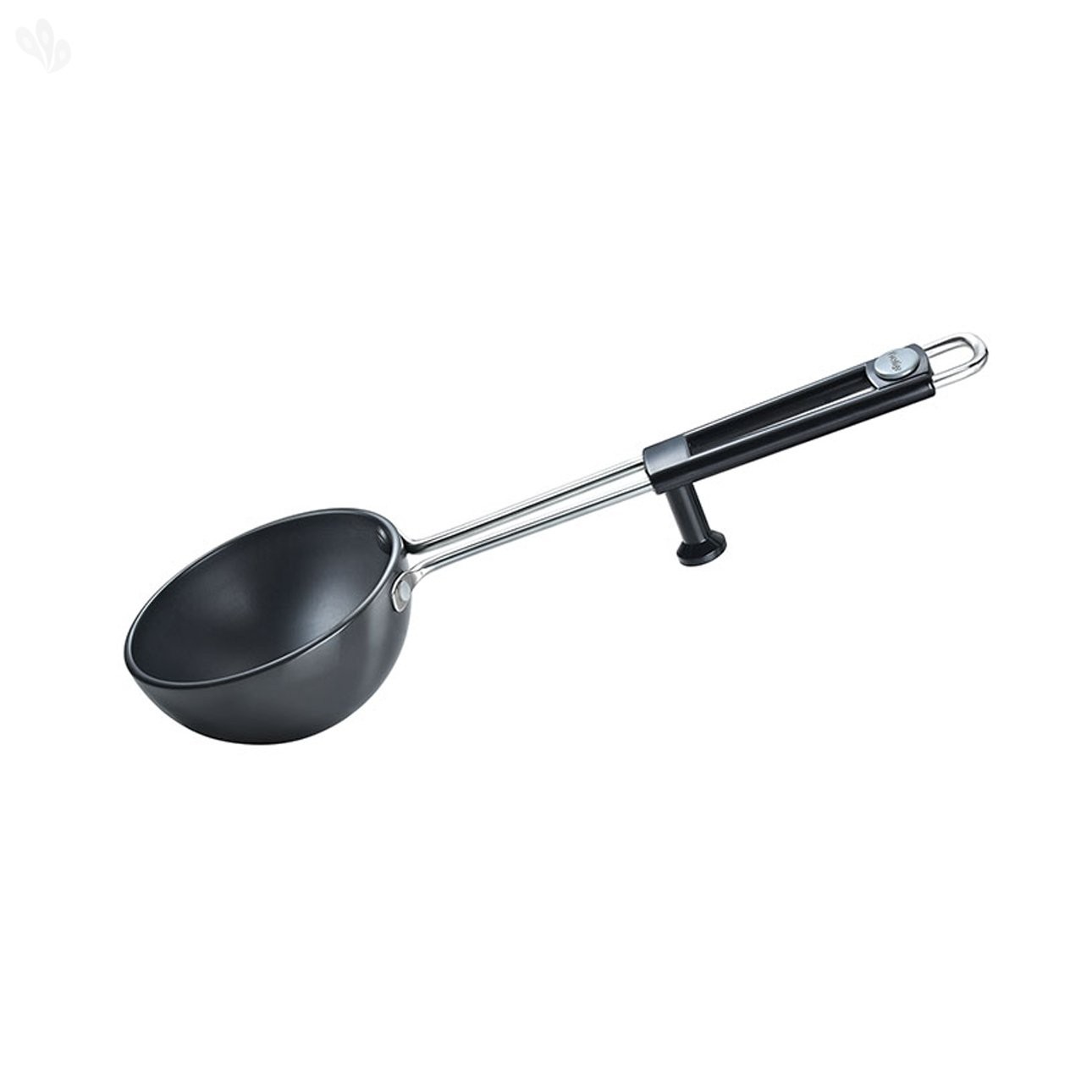
Hard anodized cookware uses treated aluminum for superior heat conduction, enhanced durability, scratch resistance, and a hard, non-reactive cooking surface.
The process of hard anodizing involves immersing the aluminum in an acid bath and applying an electrical charge to it. This causes the surface of the aluminum to oxidize and become harder and more durable. The resulting surface is non-stick, scratch-resistant, and highly durable.
Hard anodized cookware suits all stovetops, is oven-safe, scratch-resistant, durable, and ideal for seamless everyday cooking performance and long lasting
One of the benefits of using hard anodized cookware is that it heats up quickly and evenly. This means that your food will cook evenly without any hot spots, and you won’t have to worry about burning or overcooking your food. The even heat distribution also means that you can use lower heat settings, which can save you money on your energy bills.
Hard anodized cookware is also non-reactive, which means that it won’t interact with acidic or alkaline foods. This makes it an ideal choice for cooking acidic foods like tomatoes, citrus, and vinegar-based dressings.
Cleaning hard anodized cookware is easy. Simply wash it with warm soapy water and a soft sponge or cloth. Avoid using abrasive cleaners or metal scrubbers, as they can scratch the surface of the cookware. If food is stuck to the surface, soak it in warm soapy water for a few minutes before washing.
Conclusion
Hard anodized cookware is a great choice for anyone who loves to cook. Its durable and scratch-resistant surface, even heat distribution, and non-reactive surface make it an ideal tool for a variety of dishes. Whether you’re sautéing vegetables or simmering a stew, hard anodized cookware is up to the task.