Aluminum is a lightweight, strong, and versatile metal that is widely used in a variety of industries, including construction, transportation, and packaging. It is the third most abundant element in the earth’s crust, making it a relatively inexpensive material to produce and use.
Aluminum’s light weight—one-third of steel—combined with strength and durability makes it ideal for aircraft, automobiles, and high-stress structures.
Aluminum is also highly resistant to corrosion. When exposed to air, it forms a thin layer of oxide on its surface, which protects it from further corrosion. This makes aluminum a popular choice for outdoor applications such as windows, gutters, and siding.
Aluminum is also an excellent conductor of heat and electricity. This makes it a popular choice for electrical wiring, heat exchangers, and other applications where efficient heat transfer is essential.
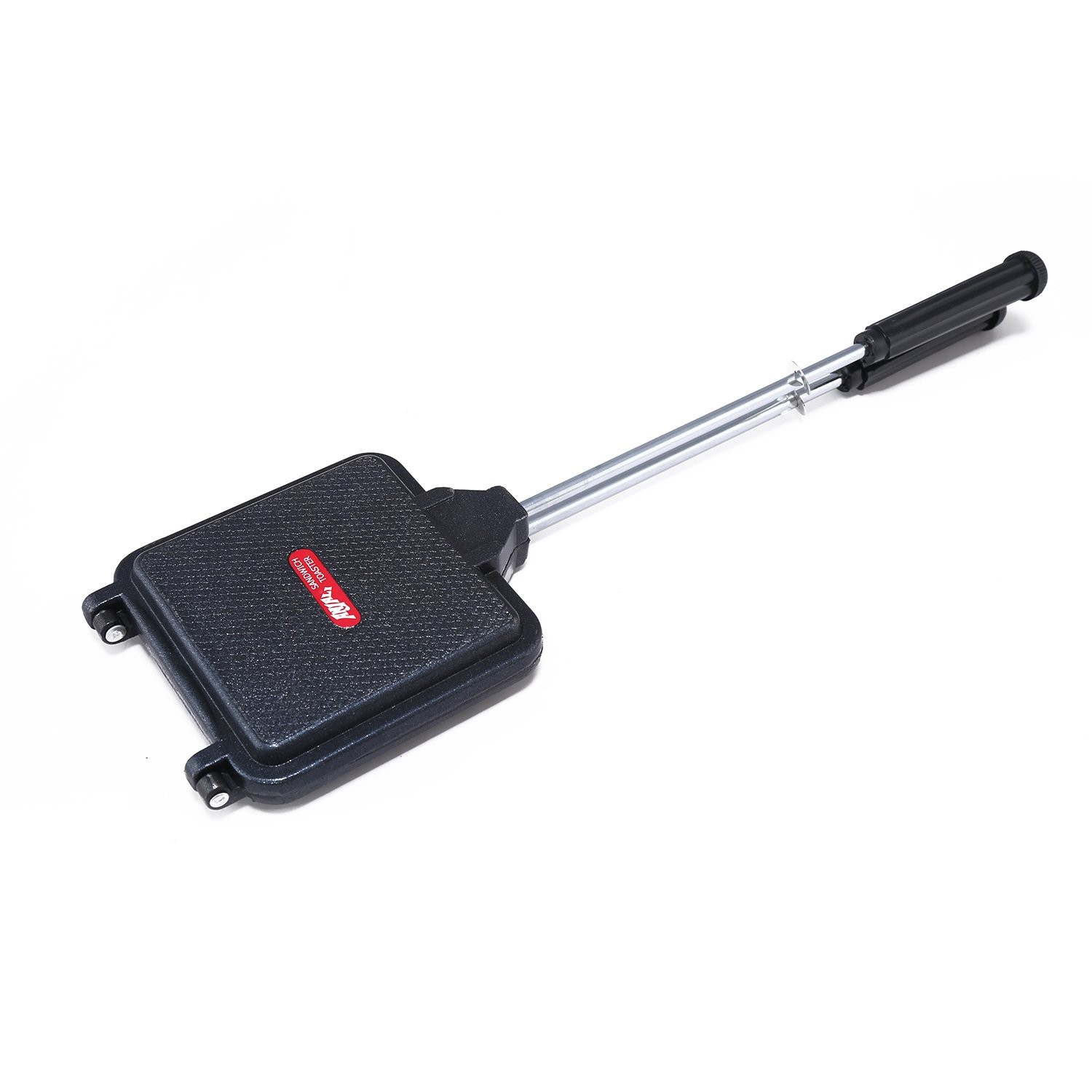
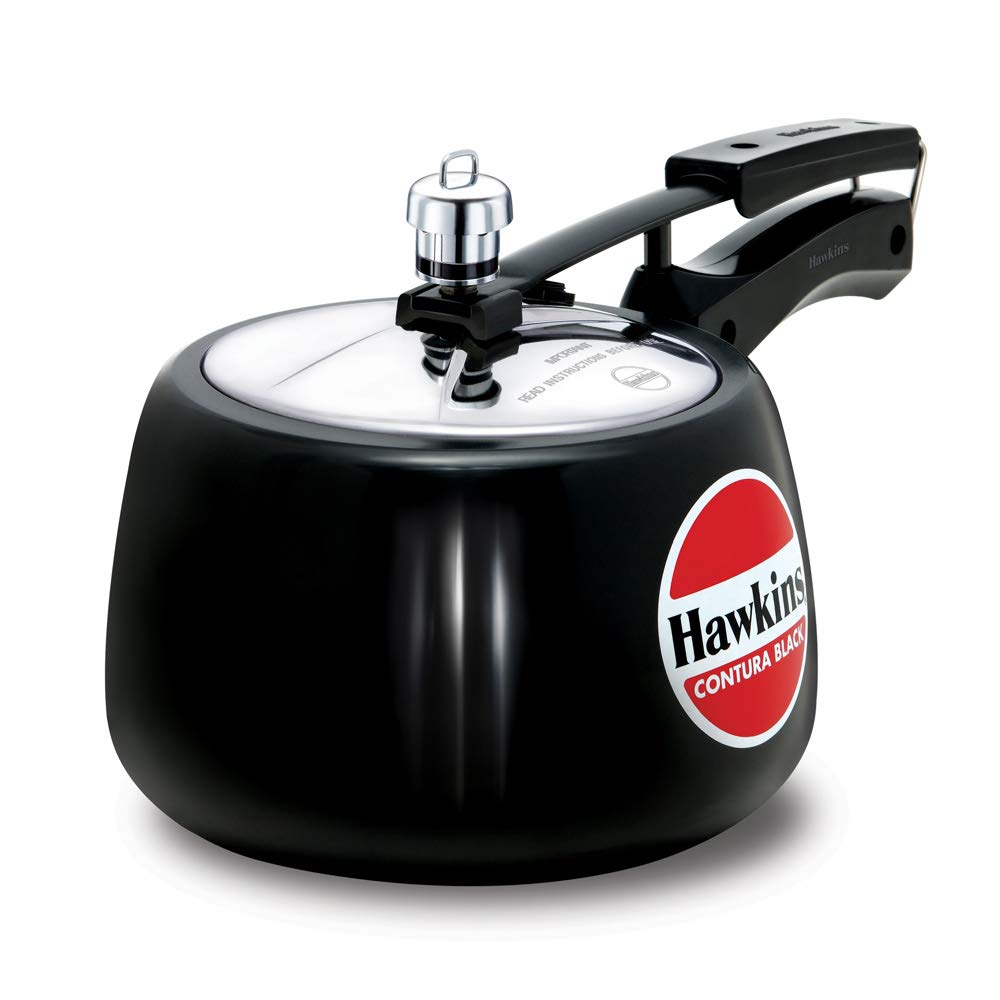
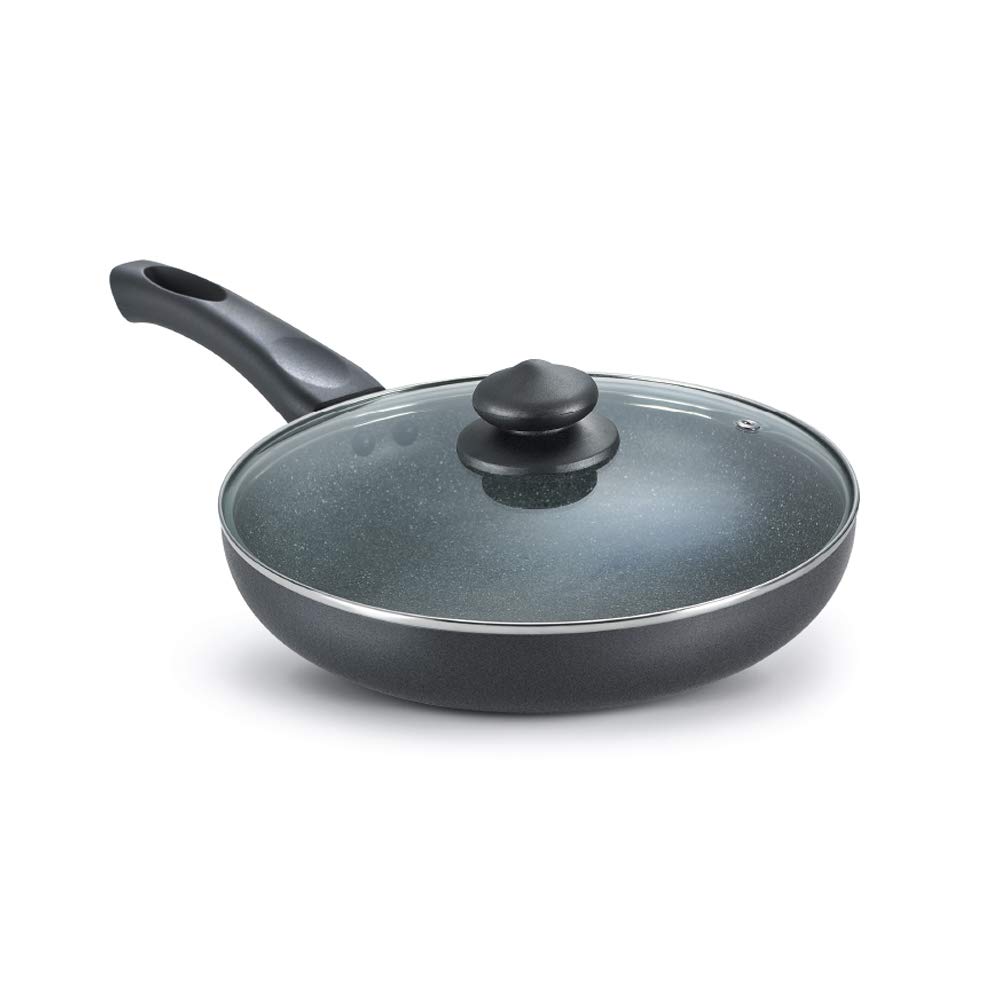
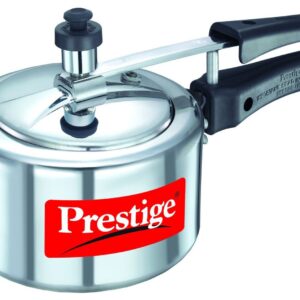
In the kitchen, aluminum is commonly used in the construction of cookware such as pots, pans, and pressure cookers. Hard anodized aluminum is especially popular for pressure cookers, as it is durable, non-reactive, and provides even heating.
However, aluminum can react with acidic foods such as tomatoes and vinegar, causing discoloration and altering the taste of the food. This is why non-reactive coatings are often applied to aluminum cookware.
Conclusion
Aluminum’s lightness, strength, corrosion resistance, and conductivity make it versatile, ideal for cookware, construction, transportation, and various industrial applications.